Decision guide · Architecture
When Shopify Hydrogen is worth the ownership cost
Headless earns its place when it unlocks a specific advantage that a well-built theme cannot deliver—not when it merely signals technical ambition.
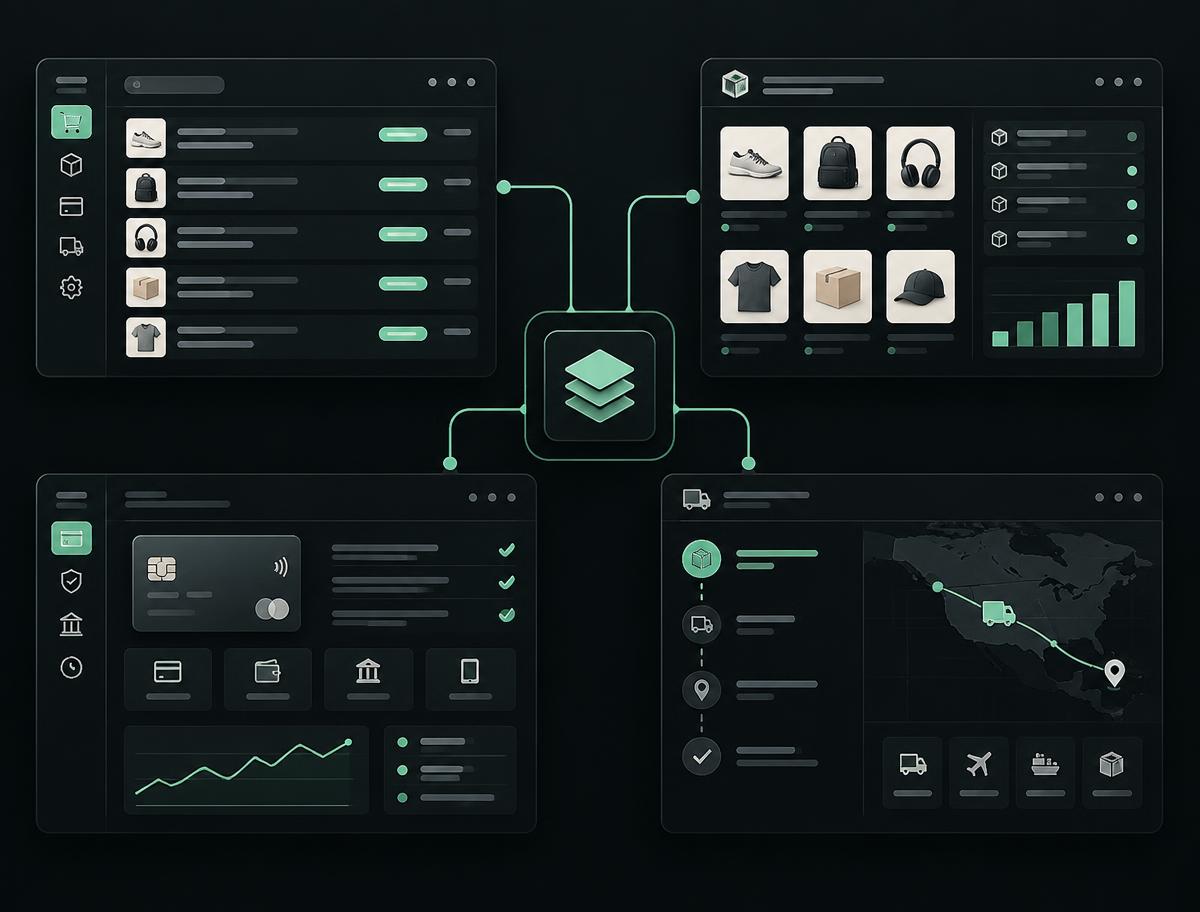
Hydrogen gives teams a React-based framework designed for Shopify storefronts, while Oxygen provides a deployment path tuned for it. That can create meaningful freedom. It also transfers more responsibility to the team: rendering strategy, caching, deployments, monitoring, preview workflows and the seams between commerce and content.
Start with the experience that supposedly requires headless
Write down the hardest customer journey, not a general desire for flexibility. It might be a configurator spanning several data sources, a highly interactive product education flow, a multi-brand content platform, or a regional experience whose composition cannot be expressed safely in the theme architecture.
If the headless case cannot be demonstrated through one concrete customer journey, it is not ready to become an architecture decision.
Where Hydrogen can create leverage
- The experience depends on application-like interaction or unusual content composition.
- Commerce data must be combined with several external sources in the customer journey.
- The organisation has sustained frontend engineering capacity, not only launch funding.
- Independent deployment and experimentation are operational advantages the team will actually use.
- International or multi-brand requirements justify a shared custom presentation layer.
Where a custom theme remains stronger
Liquid themes preserve Shopify’s native operating model and broad app compatibility. A custom theme is often the better system when the core challenge is merchandising, art direction, speed, content flexibility or conversion—especially when a lean commerce team needs predictable ownership after launch.
Price the operating model, not just the build
Compare three-year ownership: hosting, monitoring, dependency updates, preview environments, incident response, app integration work and the engineering time required for routine merchandising requests. Include the cost of capability gaps when the original build team is unavailable.
Hydrogen is valuable when its freedom compounds a real business advantage. When the advantage is vague, simplicity is not a compromise. It is an operating asset.
Sources and further reading
3
Responses
0Loading the conversation…